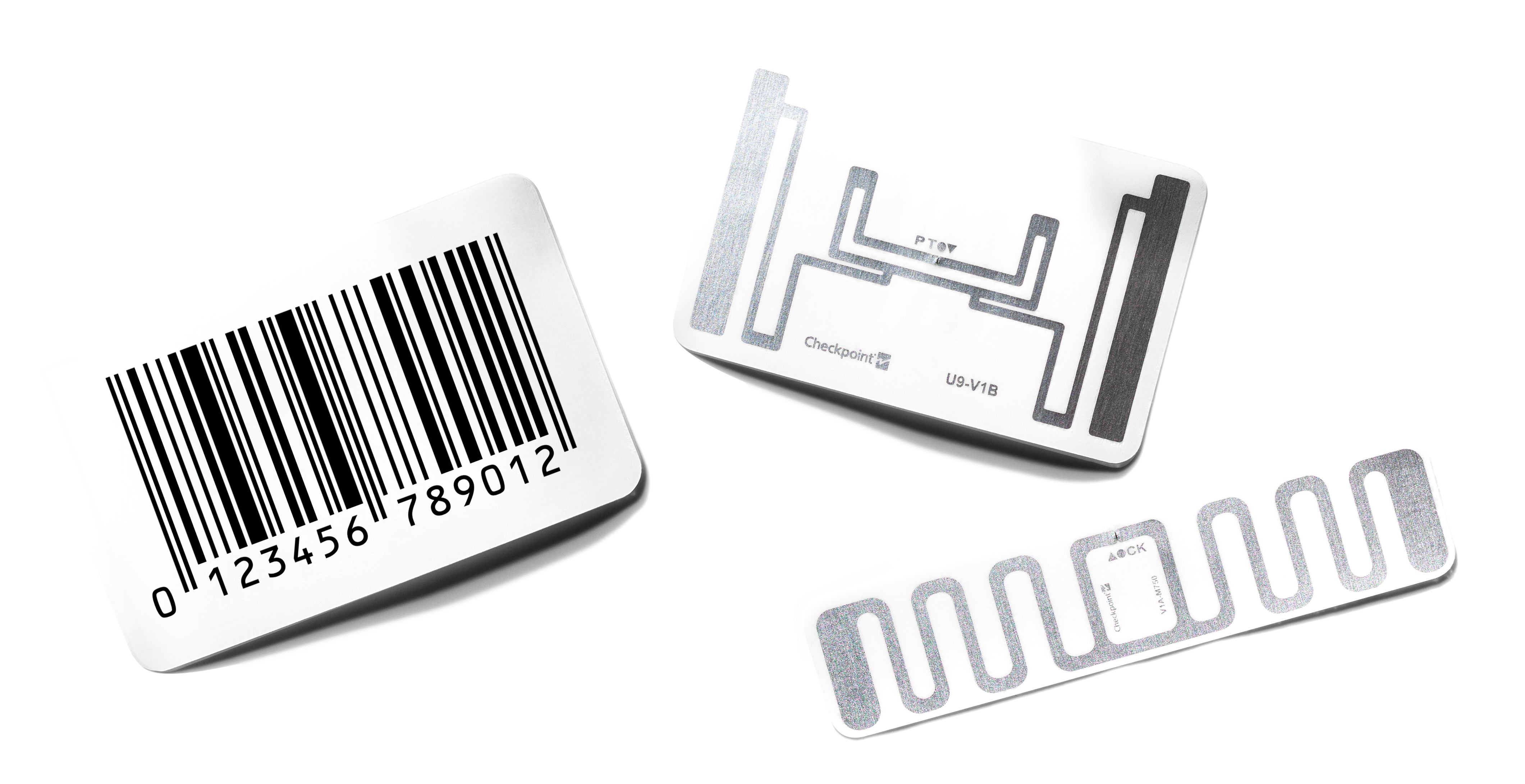
How RFID Technology is Transforming Everyday Convenience
RFID technology, or Radio Frequency Identification, is revolutionizing the way we interact with everyday items, enhancing convenience in various sectors. From retail to healthcare, this technology uses electromagnetic fields to automatically identify and track tags attached to objects. These tags can contain a wealth of information, allowing for quick access and seamless transactions. For example, in retail, RFID allows customers to walk out with their purchases without waiting in long lines, as the system automatically recognizes items as they pass through checkout sensors.
Furthermore, the impact of RFID technology is evident in inventory management, where businesses benefit from real-time tracking and accurate stock levels. Companies can minimize human error and streamline their operations significantly. In healthcare, RFID tags on medical equipment and even patients can ensure better organization and faster response times in critical situations. Overall, the adoption of RFID is paving the way for a more efficient and convenient experience in our daily lives.
Counter-Strike is a popular first-person shooter game that has been a staple in the gaming community since its release. Players engage in team-based combat, where one team takes on the role of terrorists while the other plays as counter-terrorists. With strategic gameplay and a variety of weapons, the game has developed a robust competitive scene. For those looking for tech accessories, check out the Top 10 airtag wallets that combine style and functionality.
The Future of Inventory Management: RFID Solutions Explained
The landscape of inventory management is rapidly evolving, driven by technological advancements and the need for greater efficiency. One of the most promising solutions that has emerged is Radio Frequency Identification (RFID). This technology utilizes electromagnetic fields to automatically identify and track tags attached to objects, enabling businesses to manage their inventory with unprecedented accuracy. By implementing RFID solutions, companies can minimize stock discrepancies, streamline their supply chain processes, and ultimately save costs associated with manual counting and auditing of inventory.
As we look towards the future, the integration of RFID solutions within inventory management systems is expected to become more prevalent. Businesses that adopt RFID technologies are already experiencing improvements in real-time visibility and data accuracy. For instance, with RFID, organizations can achieve inventory accuracy rates of over 99%, a remarkable contrast to traditional methods. Additionally, as the costs of RFID technology continue to decrease, more small and medium-sized enterprises will be able to leverage its benefits, transforming the way they handle inventory. The future is bright for those who embrace this change, as RFID is set to redefine the standards of inventory management.
What is RFID and How Does it Impact Your Daily Life?
RFID, or Radio Frequency Identification, is a technology that uses electromagnetic fields to automatically identify and track tags attached to objects. These tags contain electronically stored information, which can be read by a RFID reader without direct line-of-sight. RFID systems include three components: the tag, the reader, and the middleware that processes the data. From retail to healthcare, RFID has revolutionized inventory management by allowing businesses to efficiently manage stock levels and reduce human error. The technology not only enhances operational efficiency but also improves the customer experience by ensuring product availability.
In your daily life, RFID impacts you more than you might realize. Common uses include contactless payment systems like those used in credit cards or mobile wallets, which allow for quick transactions. Additionally, many public transportation systems utilize RFID technology for ticketing and fare collection, enabling seamless travel. Even your pet's microchip—which helps reunite lost pets with their owners—is a form of RFID technology. As we see an increasing adoption of this technology, understanding RFID can help you navigate and appreciate the efficiency it brings to modern life.