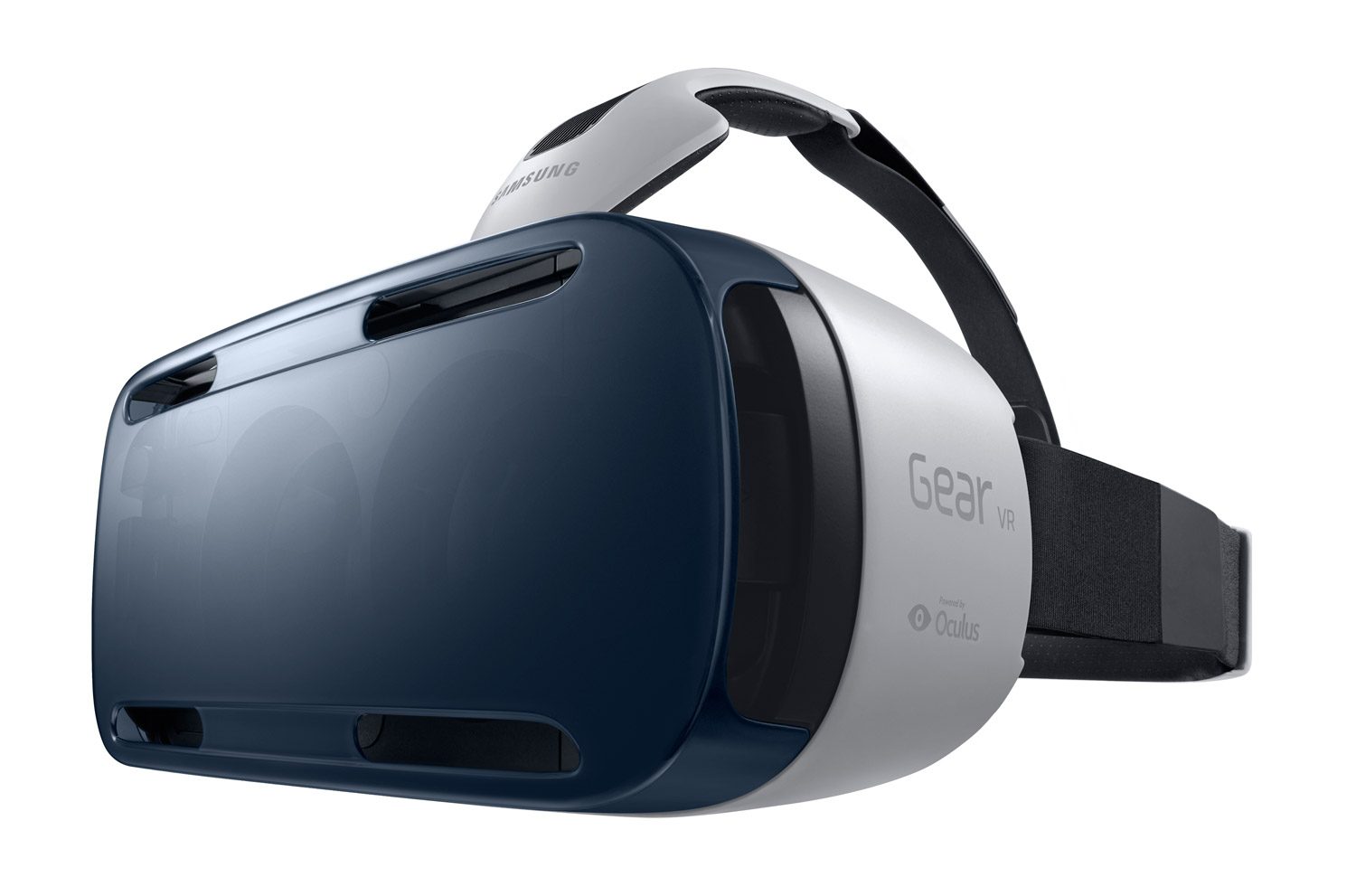
Top 5 VR Headsets That Perfectly Blur the Line Between Reality and Virtuality
Virtual reality has transformed the way we experience gaming, education, and social interaction, making it crucial to find the right headset. In this guide, we will explore the Top 5 VR Headsets that perfectly blur the line between reality and virtuality. These headsets not only offer stunning graphics and immersive environments but also provide exceptional comfort and ease of use, ensuring that users can fully engage with digital worlds. Whether you're a casual gamer or a VR enthusiast, you'll find the perfect device to elevate your experience.
1. Oculus Quest 2: A standalone headset known for its wireless capabilities and extensive game library, making it ideal for both newcomers and seasoned players.
2. Valve Index: Renowned for its superior tracking technology and refresh rates, offering an incredibly immersive experience for PC gamers.
3. HTC Vive Pro 2: This headset boasts stunning visuals and is perfect for enterprise and professional use.
4. PlayStation VR2: A significant upgrade from its predecessor, it delivers impressive graphics and is tailored for PlayStation users.
5. HP Reverb G2: Known for its high-resolution displays and comfortable design, it excels in simulation games. By choosing any of these headsets, you’re stepping into a world where reality and virtuality coexist seamlessly.
Counter-Strike is a popular tactical first-person shooter game that emphasizes team-based gameplay and strategy. Players can choose to play as terrorists or counter-terrorists, engaging in missions that involve bomb defusal, hostage rescue, or assassination. The game has a massive competitive scene, with professional tournaments held worldwide, showcasing some of the best teams and players in the e-sports arena. If you're looking to enhance your gaming experience, you might also be interested in the Top 10 apple vision pro travel accessories.
How VR Technology is Reshaping Our Perception of Reality
Virtual Reality (VR) technology is rapidly transforming the way we experience and interact with the world around us. By immersing users in a wholly digital environment, VR redefines the boundaries of our perception of reality. One remarkable application of this technology is in the realm of education, where students can engage in virtual classrooms or simulations that make learning more interactive and effective. For instance, medical students can practice surgeries in a risk-free setting, significantly enhancing their skills before they step into real operating rooms.
Moreover, the impact of VR extends beyond just education; it has profound implications in entertainment, therapy, and even social interactions. As gamers don VR headsets, they find themselves transported into richly designed worlds, deepening their engagement like never before. In therapeutic settings, VR is utilized to help patients confront their fears or manage pain, demonstrating its potential to reshape emotional and psychological landscapes. As we continue to explore and innovate in this field, it's clear that VR technology is not just enhancing our experience of reality but fundamentally altering our understanding of what is possible.
Is VR the Future of Entertainment or an Escape from Reality?
As we delve into the question of whether VR is truly the future of entertainment or merely an escape from reality, it's essential to explore the transformative effects this technology has on the way we experience media. With immersive environments that transport us beyond the confines of our physical surroundings, virtual reality opens up new avenues for storytelling, gaming, and interactive experiences. Imagine being able to step into your favorite movie or video game, not just as an observer but as an active participant. This level of engagement offers unparalleled excitement and could signify a major leap in how we consume entertainment.
However, the flip side of this innovation raises concerns about the potential for VR to create an unhealthy detachment from reality. Critics argue that while it serves as an incredible medium for escapism, excessive reliance on virtual reality may lead to social isolation and a diminished appreciation for the real world. As we navigate through a landscape dotted with stunning digital experiences, it becomes crucial to strike a balance. Are we enhancing our reality through these technologies, or are we losing touch with it altogether? The answer may ultimately depend on how we choose to integrate VR into our lives.