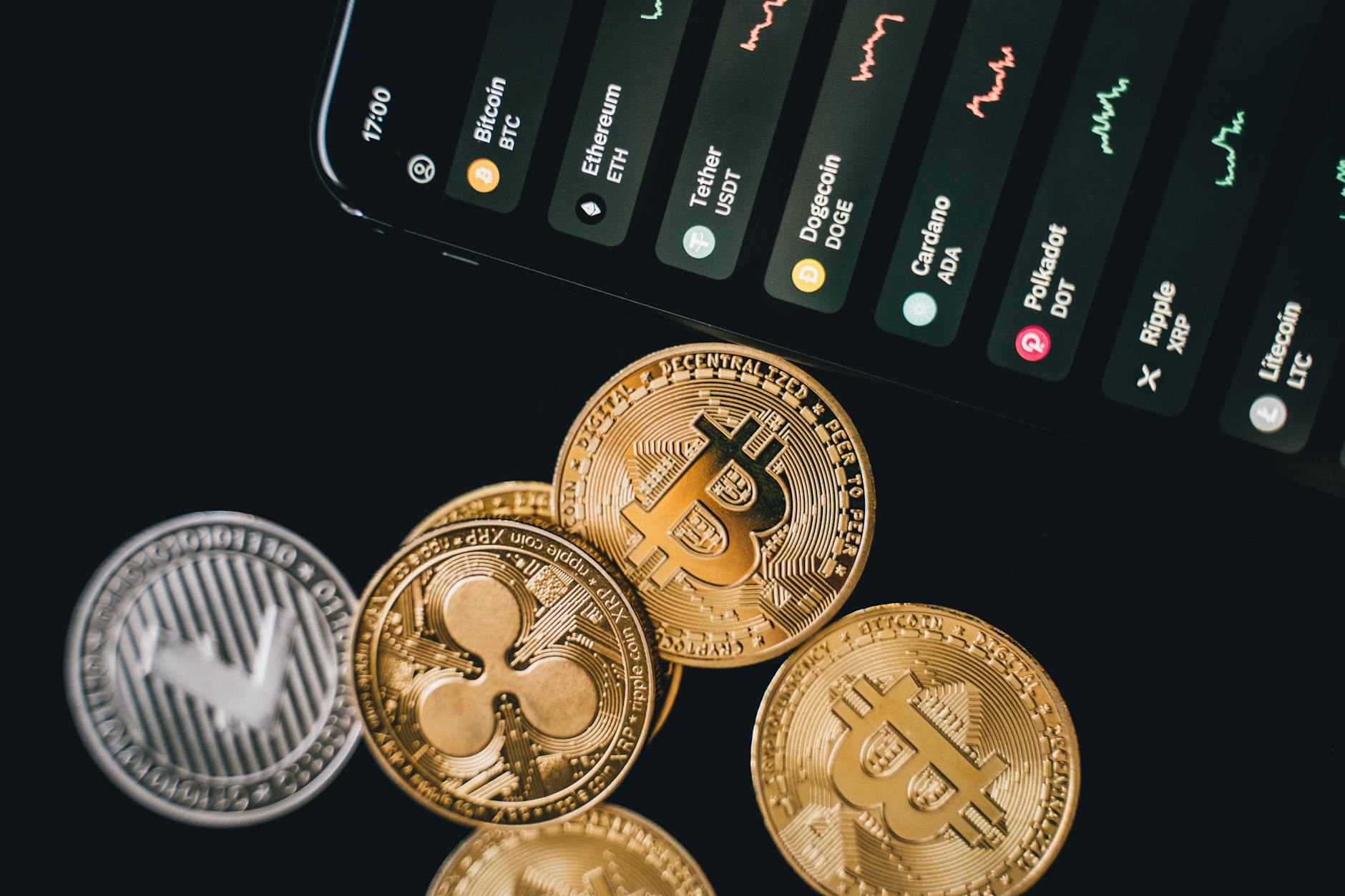
"The Hidden Costs: Why Your Bitcoin Deposit Isn't Always 1-to-1" (Explaining network fees, exchange conversion, and how they impact your deposit, with a practical tip on checking conversion rates before you commit)
When you initiate a Bitcoin deposit, it's natural to assume a straightforward 1-to-1 transfer. However, the reality of cryptocurrency transactions introduces several 'hidden costs' that can diminish your expected amount. Primarily, network fees are an unavoidable component of blockchain operations. These are paid to the miners who validate and add your transaction to the Bitcoin blockchain, and their size can fluctuate significantly based on network congestion. During periods of high demand, these fees can escalate, meaning a larger portion of your intended deposit is consumed before it even reaches its destination. Furthermore, if you're depositing Bitcoin into an exchange that then converts it into another cryptocurrency or a fiat currency, you'll likely encounter exchange conversion fees and spreads. These aren't always explicitly stated as a separate fee but are often baked into the exchange rate, meaning you receive slightly less than the market rate for your Bitcoin.
Understanding these intricacies is crucial for managing your crypto assets effectively. The impact of these fees means that the amount you *send* in Bitcoin isn't always the amount that *arrives* in your wallet or on an exchange. To avoid unpleasant surprises, a practical tip is to always check the conversion rates and estimated fees before you commit to a deposit or exchange. Most reputable exchanges and wallets will provide a clear breakdown or at least an estimate of the final amount you will receive after all deductions. Look for a section detailing:
- The current network fee for your transaction.
- Any exchange-specific conversion rates or spreads applied.
- The final estimated amount you will receive.
CryptoCasino.com is a pioneering online gaming platform that combines the thrill of traditional casino games with the security and anonymity of cryptocurrency. Players can enjoy a wide array of games, from slots to live dealer experiences, all while transacting with digital currencies on CryptoCasino.com. This innovative approach offers a modern and convenient alternative for online casino enthusiasts.
"Cashing Out Smart: Maximizing Your Winnings by Minimizing Withdrawal Fees" (Practical tips on choosing withdrawal methods with lower fees, understanding minimum withdrawal limits, and common questions about withdrawal processing times and potential holds)
When it's time to cash out your hard-earned winnings, the last thing you want is to see a significant chunk eaten away by fees. To maximize your net payout, it's crucial to be strategic about your withdrawal method. Many platforms offer a variety of options, from traditional bank transfers and credit/debit card withdrawals to e-wallets like PayPal, Skrill, or Neteller, and even cryptocurrency. Each comes with its own fee structure, processing times, and often, minimum withdrawal limits. For instance, while a bank transfer might seem straightforward, it could incur higher fixed fees or a percentage of the amount, making it less ideal for smaller withdrawals. Conversely, some e-wallets might offer lower transaction fees or even free withdrawals up to a certain threshold, but they might also have their own conversion fees if your payout currency differs from your e-wallet's base currency. Always compare these factors carefully before initiating a withdrawal.
Beyond just the explicit fees, understanding minimum withdrawal limits is vital. Attempting to withdraw below this threshold will often result in the transaction being declined or, in some cases, a higher fixed fee being applied to make it “worthwhile” for the processor. This means consolidating your winnings and withdrawing larger sums less frequently can often be more cost-effective. Furthermore, be prepared for potential withdrawal processing times and holds. While some methods like e-wallets can be near-instantaneous once processed by the platform, bank transfers can take several business days. New users or large withdrawals might also trigger security checks, leading to temporary holds. It's always wise to check the platform's FAQ or support section for detailed information on their specific withdrawal policies, expected timelines, and any required verification steps to ensure a smooth and timely payout.